
 Italian|
 EnglishItalian|English
20 Jan 2026
The Role of Gearmotors in Industrial Automation
Gearmotors form the essential components which enable current industrial automation systems to function. Gearmotors establish controlled movement while producing high torque and maintaining accurate speed control through their design which combines an electric motor with a gearbox. The system operates efficiently and reliably across all industrial applications which include robotics and packaging lines and conveyor systems and material handling equipment. Selecting the appropriate gearmotor results in better productivity and energy savings and extended equipment lifespan.
A gearmotor is an integrated electromechanical device combining an electric motor with a gear reducer (gearbox). The system delivers high torque at low speeds which enables precise motion control that meets particular industrial needs.
A gearmotor consists of a motor and gearbox combination which industrial standards use to define the equipment. Gearmotors use their gearbox system to change motor performance standards which enables motors to handle heavy operational loads.
The primary components of a gearmotor include:
Electric motor, The electric motor generates rotational energy. Gearbox/reducer. The gearbox/reducer system decreases speed and increases torque. Output shaft. The output shaft delivers motion to the attached load. Support elements. The system uses bearings, seals housing and lubrication to maintain smooth operation and extended durability.
Gearmotors provide various benefits which industrial automation systems can use. The system provides two essential benefits which include increased torque and precise motion control capabilities. The system requires less space and enables easier installation procedures. The system enables better speed-to-torque matching through enhanced performance capabilities. The system operates at lower noise levels while its components become simpler to manage.
Electric energy conversion system: This system transforms electrical energy into rotational movement while maintaining its original output specifications.
A gearmotor operates by passing the motor's rotational output through a gearbox which uses gear ratios to reduce speed and increase torque. The system achieves mechanical advantage which enables the small motor to handle demanding tasks with high efficiency.
Electric gearmotors are categorized by their gear type and their gear configuration. The system uses Spur Helical Worm Planetary Gears as its gear component system. The system uses two different layout systems which include Inline and Right-angle Layouts that use Bevel and Hypoid systems. The various industrial applications require different operational configurations which these configurations provide.
Gear reduction enables a motor to deliver higher torque at lower speeds. The ratio of input to output gears determines the torque amplification, which enables compact motors to handle heavy loads with high efficiency.
The performance of this system depends on two factors, which are the gear type and its respective gear ratio, and the motor type, which includes both AC and DC motors. The total system performance depends on these five factors because they control how torque is delivered and how much noise is produced and how the system operates over time.
The gearmotors generate energy savings through their ability to enable motors to function at their best efficiency range which results in better system performance that supports budget-friendly industrial processes.
Gearmotors provide the necessary torque to make the movement smooth and controlled for power lifts, pulleys, and AGVs.
The automated assembly process and manufacturing operations depend on robotic arms and actuators which require gearmotors to achieve high-precision motion and torque performance.
Among the mechanical parts that run packaging machine operations are the gearmotors used, and one would often see these motors applied to packaging machines in wrapping, labeling, or sealing systems.
Conveyor belts and sorting systems depend heavily on gearmotors to handle warring speed loads and ensure consistent motion.
Gearmotors are crucial components which wind turbine blade pitch control systems and industrial precision machinery require for their operations because these systems need to achieve precise control over both torque and speed.
Atlas gearmotors hold international recognition because of their Italian engineering which delivers precise and reliable performance. The system has been built to fulfill industrial automation needs while providing users with options for customization and access to technical assistance.
Atlas gear motors are designed to withstand long operations, even under continuous industrial loads.
The performance-critical applications in different industries around the world trust Atlas products which have demonstrated their reliability through multiple successful uses.
Atlas will provide technical advice and after-sales support so that gearmotor solutions can be integrated seamlessly into the industrial systems.
Atlas is giving special gearmotor configurations for specific industrial and automation applications, providing yet more engineering value and flexibility.
Automation
Gearmotors
GCC region
20 Jan 2026
What Is a Gearmotor? A Complete Beginner’s Guide by Atlas Motors
Gearmotors are essential components in modern industrial systems, combining the power of electric motors with the precision of gear reductions. By integrating speed control and torque amplification into a single device, gearmotors deliver reliable performance across industries from automation and manufacturing to material handling and renewable energy. This guide explains everything beginners need to know about gearmotors and why Atlas Motors is a trusted provider worldwide.
A gearmotor is an electromechanical device that combines an electric motor with a gearbox. This integration allows the motor’s high-speed rotation to be converted into lower speed with higher torque, making it ideal for heavy-duty and precise industrial applications. Unlike a standard motor, a gearmotor provides a controlled output, ensuring efficient operation in conveyor systems, robotic arms, and automated machinery.
The key components of a gearmotor include:
The motor acts as the primary power source, generating rotational energy that drives the geartrain. It is responsible for converting electrical energy into mechanical motion.
Gear reduction uses mechanical leverage by allowing smaller input gears to drive larger output gears. This reduces rotational speed while amplifying torque, enabling the gearmotor to handle heavier loads efficiently.
The geartrain transmits the motor’s rotational energy to the output shaft. This ensures controlled speed, precise torque, and efficient power delivery.
Planetary gearmotors are ideal for applications requiring high torque in compact spaces, making them suitable for heavy-duty industrial machinery.
Gears are manufactured using high-precision machining, hobbing, and heat treatment to achieve exact tolerances. This ensures durability, smooth operation, and minimal noise.
Assembly integrates the motor, gearbox, shafts, bearings, and seals. Proper alignment during assembly is critical to maintaining efficiency and extending the operational lifespan.
The production process includes component selection, assembly, wiring, insulation, and rigorous testing to verify operational performance and reliability.
All gears, motors, and components undergo detailed inspection to ensure they meet strict quality standards and are free from defects.
Gearmotors are rigorously tested under operational conditions to ensure torque, speed, and efficiency meet design specifications.
A final inspection confirms proper assembly, performance reliability, and adherence to international standards before shipment.
Gearmotors power robotic arms, assembly lines, and automated machinery, providing precise and reliable motion control.
Integral to conveyor belts, sorters, and packaging systems, gearmotors ensure smooth and efficient material transport.
Tailored gearmotors meet specific industrial needs, including environmental conditions, load requirements, and duty cycles.
Atlas Motors leverages decades of experience to deliver precision-engineered gearmotors for diverse industrial applications.
Through advanced manufacturing techniques and high-quality materials, Atlas ensures superior performance and long-term durability.
Comprehensive support and maintenance solutions guarantee operational efficiency and reliability for the life of the gearmotor.
It involves precision gear production, motor assembly, component integration, and rigorous testing to ensure reliability and performance.
Industrial gearmotors are manufactured using high-precision gears, robust motors, and optimized gear ratios to handle specific industrial loads.
The process includes raw material inspection, precision gear manufacturing, motor assembly, integration, and final performance verification.
Quality control ensures consistent performance, long-term durability, and compliance with industrial standards.
Precision gears improve efficiency, reduce wear, and guarantee accurate torque and speed transmission.
Gearmotors integrate a gearbox with the motor, enabling higher torque and controlled speed, unlike standalone motors that provide high speed at low torque.
Applications include automation, manufacturing, material handling, renewable energy, and large-scale infrastructure projects.
gearmotors
19 Jan 2026
Behind the Scenes: How Our Gearmotors Are Made
The gearmotor manufacturing process is the backbone of modern industrial motion systems. Gearmotors use mechanical gears together with electric motors to provide dependable torque and speed control which works in numerous applications that include conveyors and robotics and automation systems. The guide shows the complete manufacturing process of gearmotors through its detailed explanation of precision manufacturing methods and production processes and assembly techniques and quality control procedures and industrial knowledge.
A gearmotor is a compact electromechanical device that integrates a gearbox and an electric motor into one unit. The device functions to transform electrical energy into mechanical power which it delivers through specific speed and torque settings that meet industrial requirements. Gearmotors are used in applications that need small size and exact speed regulation together with increased torque capacity.
The gearmotor production process determines how efficiently and reliably a unit performs under load. The gearmotor requires exact manufacturing and production control to prevent excessive noise and vibration and heat and early wear and decreased operational life. High‑precision production ensures consistent torque delivery to achieve energy efficiency and durability, which becomes vital for industrial environments.
The creation of a gearmotor requires multiple complex mechanical and electrical steps which begin with material selection and continue through the processes of gear production and motor development and system integration and assembly and final testing. The industrial gearmotor production process requires all stages of work to meet essential quality standards.
Gears are the most critical part of a gearmotor, and the quality of the gearing will enable it to function reliably.
The gear blanks which represent the basic form of gears are produced from high-strength alloys that include both alloy steel and carbon steel because these materials provide essential protection against torque and wear and environmental stress. The choice of materials establishes the critical foundation for performance because selecting incorrect materials results in premature product failure under operational weight.
The next step in precision gear manufacturing is to produce the gear teeth. The techniques of hobbing and CNC machining have gained worldwide recognition because they deliver efficient operations with precise results. Hobbing uses a specialized cutting tool called a hob to progressively cut gear teeth into the gear blank. It stands as the most common method used to produce spur and helical gears. The CNC gear cutting process enables machining of intricate shapes and profiles with micron-level precision which is necessary for complete meshing and load capacity performance.
After the basic shape and teeth are formed, heat treatment processes like induction hardening or carburizing are applied. The thermal cycles create hardened gear surfaces which enhance wear resistance and fatigue strength and improve durability without changing the gear's exact measurements.
After completing both machining and heat treatment processes, operators use grinding and honing as additional finishing procedures to create smoother surfaces which decrease friction and control noise emissions. The finishing processes serve a critical function in high‑performance industrial gearmotors because they guarantee the equipment operates without making noise while maintaining efficient performance.
"Another production by our company focuses on the production of gearmotor in parallel with precision gears, beginning with the assembly of gears to the assembly of motors."
The electric motor for a gearmotor needs precise matching to its specific output requirements. Engineers use winding configuration and magnetic design and power requirements to create efficient systems that deliver dependable torque performance. Industrial gearmotors commonly employ AC induction motors or permanent magnet motors to achieve reliable operational performance.
The gearmotor assembly process requires the motor to be integrated with the gearbox system. The interface must be perfectly aligned so that the motor shaft and the gearbox input shaft work in harmony, minimizing energy losses and maximizing reliability.
Every assembled gearmotor undergoes performance testing to verify torque output, noise levels, thermal behavior, and rotational accuracy. The tests create actual operational conditions to assess whether each product meets industrial gearmotor manufacturing requirements.
Modern gearmotors operate under design principles which prioritize energy efficiency. The efficient design of systems leads to decreased power consumption during operation together with reduced heat production and enhanced total value throughout their operational lifespan which proves essential for industries that experience constant high usage.
Whether workers could deliver these materials to the point of assembly at the estimated level of precision employed is just as crucial as the precision itself.
The trained technicians or automated systems of the gearmotor assembly process combine exactly machined components which include gears, bearings, shafts, and seals. The internal components achieve dependable mechanical motion because engineers use tight tolerances and precise alignment methods.
The system uses permanent lubrication systems which protect against friction damage and material loss. The quality of seals creates a barrier which prevents contaminants from entering while keeping lubricant inside the system, which is necessary for extended operation in industrial settings that experience extreme conditions.
The final alignment checks ensure that the gears and motor shaft have been properly aligned and balanced. The alignment setup results in less vibration which leads to longer equipment lifespan and better operational performance.
Safety checks at every stage ensure that electrical insulation remains intact while all fasteners remain secure and all torque settings are maintained at their correct values. Compliance with standards like ISO 9001:2015 or other regional industrial standards ensures that gearmotors are safe and reliable.
Quality control is necessary for industrial reliability and longevity.
The production process begins with raw material inspection and ends with final assembly while in-process quality control maintains every component at required standards. Modern manufacturers use measurement tools together with frequent sampling methods to detect deviations from normal operations at an early stage.
The final testing of gearmotors needs to include testing under simulated load conditions and taking noise measurements and verifying performance to check whether the units work according to their established performance standards. Customers need this step because it guarantees delivery of gearmotors that meet industrial standards.
The manufacturing processes of gear motors can follow international standards through ISO quality systems and ISO/AGMA standards which provide guidelines for controlling dimensional tolerances and ensuring product quality and maintaining manufacturing uniformity.
The process of product development relies on data collection from inspections and field performance to enhance design and production processes. The continuous improvement cycle enables products to achieve extended durability and enhanced operational performance throughout their entire lifecycle.
The industrial gearmotor manufacturing process provides essential high-performance drive systems which serve multiple industrial sectors through its two main operational features and its three special speed and torque control systems which meet specific industrial needs. The production process along with its strict quality control measures enables gearmotors to fulfill the requirements of contemporary manufacturing systems and automation processes and material handling operations.
The company protects completed gearmotors through protective packaging which safeguards the products from shipping damage. The packaging system provides protection against moisture and dust and material impacts throughout the delivery process.
Efficient logistics systems deliver gearmotors to customers at scheduled times while maintaining optimal product condition which businesses need for their operational needs that require immediate equipment deployment.
Once installation occurs, the properly constructed gearmotor system will function for multiple years while requiring only slight maintenance because of its execution of proper maintenance procedures and its origin from careful design and production methods.
Manufacturers supply technical assistance to customers for installation, commissioning, maintenance, and troubleshooting because this support enables customers to achieve maximum performance from their gearmotors starting from the first day.
The gearmotor manufacturing process requires multiple production stages which start with material selection and continue through advanced machining and quality testing and end with assembly procedures. The engineering discipline behind modern industrial systems is discovered through the manufacturing process of gearmotors because it explains how these systems achieve their efficiency and reliability and durability. The production process of industrial gearmotors shows dedication to quality through its three stages which include the creation of precision gears and electrical system installation and final product testing.
Atlas
Gearmotors
Industry

8 Jan 2026
How to Choose the Right Gear Motor for Your Industry
Learn how to select the ideal industrial electric motor for your application. The study covers different motor types together with their corresponding duty cycles and voltage requirements and torque specifications and speed control mechanisms and IP ratings and energy efficiency standards which range from IE2 to IE5. High-quality industrial motors are available at www.pokharamotors.com.
Modern industrial operations depend on electric motors because they serve as their essential driving components. Motors provide the essential force that powers all main operations within factories and industrial plants through their use in conveyors and pumps and compressors and fans and HVAC systems and material handling equipment and automated machinery. The selection process for a motor needs to happen because it affects both operational performance and maintenance expenses and equipment lifespan. Equipment operates with both mechanical parts and thermal components which experience damage when using an improperly sized motor or an inappropriate motor type.
Different operational requirements need different industrial motor configurations. Pokhara Motors offers customers a complete selection of industrial motors which combine durability with operational efficiency and dependable performance. Pokhara Motors provides AC induction motors for general applications and synchronous motors for precise operations and DC motors for high torque with adjustable speed requirements.
Electrical motors transform electrical power into mechanical movement which operates equipment such as machinery and pumps and fans and conveyors and automated systems. The industrial sector relies on these systems because they enable continuous production and accurate processes and sustainable energy usage.
The correct motor selection process leads to uninterrupted equipment operation while decreasing equipment failure risk and safeguarding valuable machinery. Motors that have been chosen without assessing their working conditions and load requirements and operational time frames will fail before expected performance periods which leads to expensive equipment repairs and work stoppages. Time spent selecting motors will establish system reliability and operational efficiency and energy conservation.
Industrial applications commonly use three main types of electric motors: AC induction motors, synchronous motors, and DC motors. The first motor type, AC induction motors, serves as the most common industrial motor because it delivers both durable performance and affordable pricing. The system provides operational capabilities for various industrial tasks which include conveyor systems and pump operations and fan functions. The design of induction motors enables them to operate continuously because they require only basic maintenance for their strong and durable components.
Synchronous Motors are selected for systems which need to maintain fixed speed and accomplish exact performance requirements. These motors operate in processes which depend on specific timing requirements and precise system operation for successful equipment synchronization.
DC Motors deliver high starting torque together with exact speed control which makes them ideal for crane operations and hoisting functions and material handling systems that require precise control of load weight and acceleration rate.
At Pokhara Motors, you can explore a comprehensive range of these motor types, which will help you identify the most suitable motor for your industrial application needs, providing both optimal performance and dependable operation.
The process of selecting an appropriate motor requires more than simply matching power specifications. The procedure requires detailed evaluation of both operational needs and environmental conditions together with assessment of efficiency throughout its useful life. The correct motor selection results in maximum energy efficiency which reduces operational interruptions and maintenance expenses while extending the lifetime of equipment.
The selection of an incorrect motor brings about constant equipment failures together with unnecessary energy consumption and diminished operational productivity. The motor must be able to handle all operational conditions which include common usage and maximum capacity usage according to the following requirements: load type, speed, torque, voltage, duty cycle, and environmental conditions.
Some industrial applications operate under a constant load which maintains steady mechanical requirements throughout their operation. The equipment includes conveyors and fans and compressors. Continuous duty motors (IEC S1) serve as the optimal solution for these applications because they can operate continuously at their full load capacity without experiencing any overheating issues. The design of continuous duty motors enables them to sustain thermal balance, which ensures dependable operation during extended periods of continuous operation.
Industrial systems including pumps and mixers and crushers and HVAC fans operate under conditions where their mechanical demand changes between different load levels. The selection process requires a motor that can handle these load variations according to its operational needs. Variable frequency drive (VFD) compatible motors provide accurate control over both speed and torque which results in decreased power usage and lower mechanical strain. The selection of a motor with an intermittent duty rating according to IEC S3 standards guarantees its capability to manage regular load fluctuations without experiencing overheating.
Heavy industrial machinery needs high inertia loads for its operation because this equipment includes large fans and centrifuges and presses. The machines need high starting torque motors because they must first break through the load's initial resistance. The selection of an appropriate motor leads to uninterrupted acceleration which protects the system from mechanical damage and keeps the system running safely. The evaluation process for motors used with high inertia loads needs to assess both their torque capabilities and speed performance in order to ensure safe and reliable operation.
IEC standards define duty cycles (S1–S10) to indicate operation duration, load, and rest periods. Continuous duty (S1) applies to motors running indefinitely at rated load, while short-time or intermittent duty (S2–S10) allows for periodic rests. The correct motor duty cycle matching with application requirements prevents overheating while it reduces wear and tear and increases the motor's lifespan. The selection of duty cycles serves as an important process for industrial motor specification.
Motor efficiency and product lifetime depend on correct voltage matching. The correct motor selection requires matching plant voltage which includes three options 230V and 400V and 460V AC. Equipment failure occurs because incorrect voltage causes insulation to break down which results in motor downtime.
Single-phase motors serve light-duty applications which include operating small pumps and fans. Industrial applications require three-phase motors because these motors provide better efficiency and deliver smoother torque while handling higher power loads. Three-phase motors provide reliable performance because they can handle both heavy loads and load variations, which makes them the preferred option for factories and large industrial operations.
The motor speed depends on supply frequency which produces the RPM calculation through the equation RPM = (120 × f) / number of poles. A motor operating at an incorrect frequency will result in decreased efficiency and incorrect speed operation which leads to overheating and decreased motor lifespan. The system requires frequency compatibility testing before installation.
Motor selection requires an assessment of power ratings which include both kW and HP measurements together with starting current and full-load current and load margin requirements. The correct motor size enables normal load operation and peak load operation without reaching overload conditions. Overloading a motor system consumes energy wastefully while it shortens motor lifespan and drives up maintenance expenses.
Industrial motors can operate at fixed speeds or variable speeds depending on application needs. Fixed-speed motors are suitable for processes with constant load which VFD-controlled motors enable users to operate at different speeds while achieving better energy efficiency and experiencing reduced mechanical stress. Multi-speed motors can switch between operational speeds for processes requiring flexible operation. Efficient speed control functions as the foundation which leads to peak performance and reduced energy consumption.
Different load types require different torque requirements. Motors need to deliver enough starting torque while they need to sustain breakdown torque and they need to manage load torque throughout their operation. The correct torque matching technique prevents stalling while it decreases mechanical wear and enables machines to function without interruptions.
For automation and precision applications, motors require feedback mechanisms which include encoders and sensors. The devices enable closed-loop control systems which allow precise control over speed and position and torque. Feedback mechanisms are essential in applications like CNC machines, robotics, and automated conveyors.
Motor starting methods cause two main effects which include increasing energy use and creating additional mechanical strain. The standard starting techniques which are used in motors include Direct-On-Line (DOL) and Star-Delta and Soft Starters and VFDs which provide gradual motor acceleration control. The proper starting method selection protects equipment through safe operation which maintains current levels below peak thresholds.
In environments with flammable gases, dust, or vapors, using explosion-proof motors is mandatory to prevent ignition and ensure safety. The motors meet international safety standards which permit their use in dangerous industrial areas.
IP ratings show how well a motor protects itself against dust and water. The most demanding outdoor conditions require equipment that has higher IP protection levels. The proper selection of IP rating safeguards internal parts and enables dependable operation during difficult environmental conditions.
Motors which have thermal protection systems and overload protection systems will stop overheating to protect their insulation materials. This process will extend the motor's operational life while it works continuously in industrial applications.
High ambient temperatures or elevated locations lead to motor performance degradation. Motors require derating because they need proper cooling to prevent equipment harm. The installation requires this assessment because it operates in desert and mountain regions and high-temperature industrial settings.
Electric motor efficiency is classified according to IEC 60034-30: IE1 (standard), IE2 (high efficiency), IE3 (premium), IE4 (super-premium), and IE5 (ultra-premium). The use of high efficiency motors leads to decreased energy usage which results in lower operating expenses and reduced environmental effects. The choice of an energy-efficient motor represents a fundamental requirement for companies that wish to establish sustainable industrial practices.
The motor will achieve extended lifespan through proper maintenance which includes bearing lubrication and insulation checks and service intervals. The selection of motors which contain high-quality components will minimize operational interruptions and enhance overall system reliability.
The combination of regular inspections together with preventive maintenance will help to maintain motor performance while boosting operational efficiency.
You need to verify that your motors meet either IEC standards or EU MEPS regulations or local regional energy efficiency standards and safety requirements. The organization needs to maintain compliance because it enables them to meet legal requirements while improving their operational processes and qualifying for energy efficiency programs.
Gearmotors
Atlas
8 Jan 2026
How Gear Reducers Improve Efficiency in Industrial Machines
The gear reducer system increases industrial machine efficiency because it transforms high-speed motor output into operational speed while delivering greater power for equipment use without causing motor overload. A gear reducer decreases energy waste and mechanical stress and prevents excessive heat and vibration by matching motor output to actual machine requirements. The optimized power transmission system enables machines to operate with reduced motor size while carrying heavier loads and decreased power usage and extended equipment durability and improved reliability, which makes gear reducers vital for cost-efficient operations in industrial settings.
A gear reducer is a mechanical device which reduces motor rotational speed while it increases torque to match industrial machine operational needs. The system uses gears which operate at specific ratios to transmit motor power to driven equipment, which results in smoother operation and enhanced load capacity and lower energy expenses and increased equipment lifespan.
The process of power transmission in industrial settings requires motor energy to be transferred to machinery through controlled and efficient methods which depend on the use of gear reducers as essential components. The operation of a gear reducer depends on interlocking gears which use specific ratios to decrease motor speed while raising output torque until it matches the requirements of the machine. Gear reducers provide dependable motion control by controlling speed and torque while reducing power loss through heat and vibration, which protects motors from overload and enhances system performance in conveyor and pump and mixer and heavy industrial equipment operations.
Power transmission describes the method which transfers mechanical energy from electric motors to machines through the use of shafts and couplings and belts and chains and gears. The system functions to transmit precise speed and torque through its efficient operation which reduces energy waste and vibration and equipment damage to achieve continuous functioning and dependable industrial performance.
The operating principle of a gear reducer uses meshing gears with different sizes to achieve two functions which involve decreasing rotational speed and increasing torque. The power from the motor enters the system and passes through multiple gears that operate at specific ratios which enable the output shaft to produce higher torque while operating at lower speeds, thus achieving better power distribution and controlled movement and decreased motor strain and enhanced industrial performance.
The design of heavy-duty gear reducers enables them to operate under extreme load conditions while functioning continuously in industrial environments which present challenging operating conditions. The common types of gear reducers include helical gear reducers which provide efficient power transmission through their silent and smooth operation and bevel and helical-bevel gear reducers which transmit power between intersecting shafts and are ideal for compact layouts and worm gear reducers which provide high reduction ratios along with self-locking capability for specific applications and planetary gear reducers which deliver both high torque density and efficient load distribution in a space-saving design for industrial machinery.
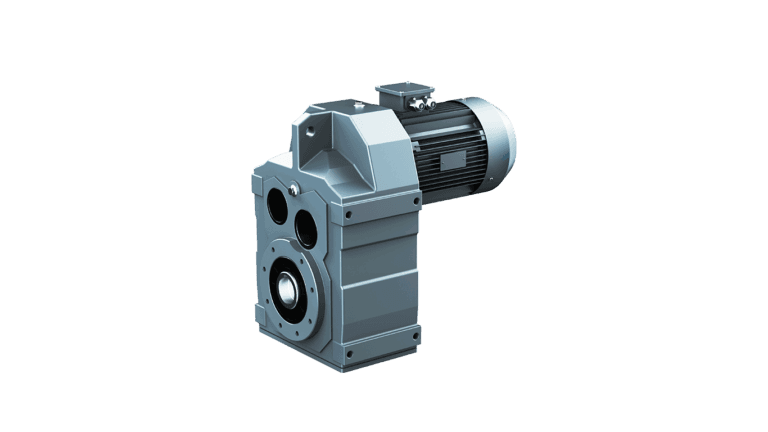
Parallel shaft reducers serve as heavy-duty gear reducers which operate through parallel input and output shafts while using helical gears to achieve efficient power transmission. The system delivers high load capacity together with silent operation and maximum efficiency, which makes it suitable for industrial applications that include conveyors and crushers and mixers and systems needing continuous torque delivery.
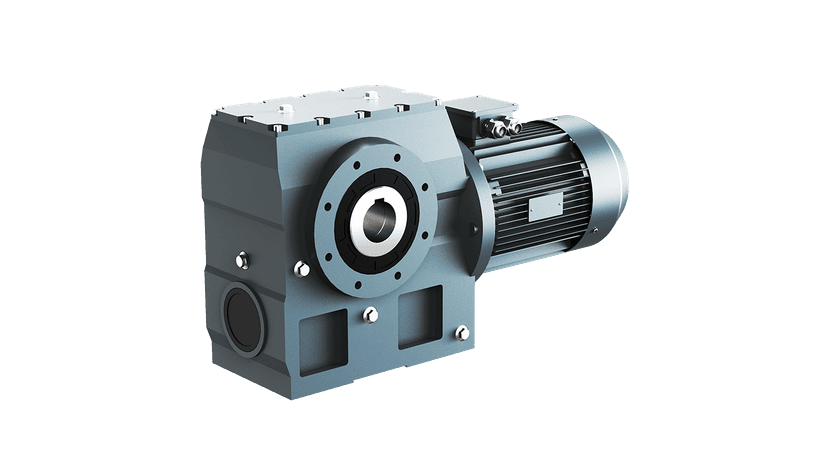
Right angle reducers function as gear reducers which transmit power between input and output shafts that intersect at a 90-degree angle. The reducers use bevel and helical-bevel and worm gears to create compact systems which deliver efficient torque transmission and smooth operation and reliable performance for heavy-duty industrial machinery.
Planetary or inline reducers are a high-performance type of gear reducer that use a central sun gear, multiple planet gears, and an outer ring gear to distribute load evenly across multiple contact points. The design produces compact inline systems which achieve high torque output together with exceptional efficiency and minimal backlash and maximum precision and make planetary/inline reducers suitable for industrial applications that need high power density and precise performance and extended operational durability.
Worm gear reducers function as gear reducers that use a worm screw to drive a worm wheel for achieving high reduction ratios through their compact design. The system provides two main advantages through its ability to operate quietly and smoothly while achieving self-locking functionality which stops backward movement in specific operational tasks. The space-saving design of worm gear reducers makes them suitable for use in conveyors, lifts and mixers and other industrial equipment that needs to deliver high torque at low speeds.
Core Components and Mechanical Principles
Worm gear reducers function as gear reducers that use a worm screw to drive a worm wheel for achieving high reduction ratios through their compact design. The system provides two main advantages through its ability to operate quietly and smoothly while achieving self-locking functionality which stops backward movement in specific operational tasks. The space-saving design of worm gear reducers makes them suitable for use in conveyors, lifts and mixers and other industrial equipment that needs to deliver high torque at low speeds.
Industrial machines achieve better operational efficiency through gear reducers which deliver multiple essential benefits. The system enables exact speed and torque control, which allows motors to function at their best performance while they handle their maximum load capacity. Gear reducers extend equipment lifespan through their ability to decrease mechanical strain and their capacity to distribute energy throughout the system, while they also create cost savings through reduced energy use. The system creates essential features for modern industrial applications through its ability to enhance equipment reliability by decreasing vibrations and shocks while delivering compact solutions for spaces that have limited room and its capacity to operate smoothly and quietly.
All industries use gear reducers to improve machine performance and operational efficiency and machine dependability. The technology provides precise speed and force regulation throughout manufacturing processes which include conveyor systems and mixing equipment and packaging machinery. Material handling and logistics operations depend on gear reducers which power cranes and hoists and conveyor systems to operate at maximum load capacity while maintaining operational stability. Heavy industries such as mining, cement, and steel rely on gear reducers for crushers, mills, and presses, where durability and high torque are critical. The technology serves as a core component in pumps and agitators and HVAC systems by delivering reliable power transmission which results in energy savings throughout various industrial applications.
You need to choose the appropriate gear reducer through thorough assessment of your equipment needs and its industrial use case requirements. The essential requirements include determining both torque needs and speed requirements and identifying whether the load will remain constant or experience shock or variable changes throughout operation. The selection process between parallel shaft and right-angle and worm and planetary reducers depends on two factors which are the available installation space and the required installation position. The assessment should include three elements which are the system efficiency and the required maintenance activities and the environmental factors that include temperature and dust and moisture. The analysis of these factors enables you to select a gear reducer which provides your industrial machinery with maximum operational performance and energy efficiency and extended system durability.
Industrial machinery requires proper maintenance procedures to achieve long-lasting equipment performance and operational efficiency with its gear reducers. The maintenance schedule needs to include regular inspections of lubricant levels and lubricant quality because clean sufficient lubrication prevents friction and heat generation while reducing wear on gears and bearings. The team needs to examine seals and housings with mounting bolts to detect possible leaks and misalignment problems and any risks of mechanical damage. The team needs to observe operating temperatures together with any strange sounds which will help them diagnose equipment problems that include overloading and component misalignment and worn-out parts. The process of troubleshooting requires the identification and isolation of problems which include excessive vibration and irregular torque output and slow performance and the solution requires either alignment adjustments or worn part replacements or proper lubrication restoration. The team needs to follow scheduled maintenance procedures while they handle equipment problems to achieve operational efficiency and decrease expensive equipment downtime and prolong the operational life of gear reducers.
Preventive maintenance serves as the essential process which enables equipment to achieve maximum operational efficiency throughout its entire operational duration. The maintenance schedule requires technicians to conduct lubricant assessments and make necessary lubricant replacements in order to maintain optimal gear performance while protecting components from excessive wear. The team needs to conduct inspections on gears and bearings and seals and housings to identify any potential damage or misalignment issues or leakage problems. The system requires proper mounting and alignment because this practice prevents vibration and ensures even load distribution throughout the equipment. The team needs to track operational temperatures while they monitor for any strange sounds which could indicate the existence of emerging problems. The implementation of a scheduled inspection and maintenance program enables industrial gear reducers to achieve improved breakdown prevention and operational efficiency while their operational lifespan extends.
Gear reducers may experience problems during their operational lifespan, but most issues can be handled through proper maintenance and initial problem resolution methods. The following problems occur frequently:
Overheating – Insufficient lubrication and load overload and misalignment create this problem. Solution: Check and replenish lubricant, reduce load, and realign shafts.
Excessive Noise or Vibration – This problem occurs because the gears and bearings have worn down and the system has become misaligned. Solution: Inspect and replace damaged components and ensure proper alignment.
Leakage – This condition occurs because the seals have worn out or the housing has suffered damage. Solution: The seals must be replaced while the housing requires either repair work or complete replacement based on existing conditions.
Reduced Torque or Performance – This issue occurs when gears experience wear and installation procedures become improper and contamination occurs.
Solution: Clean all internal components and replace any damaged gears and check that installation was done according to specifications.
Premature Wear – This problem occurs because dirt and debris contamination exists and maintenance practices are not followed.
Solution: Operators should maintain proper lubrication standards while using protective equipment and they must adhere to their established maintenance program.
The process of watching equipment and making necessary adjustments at the right time enables systems to function at their best while avoiding equipment failures and increasing the operational life of gear reducers.
Industrial machinery depends on gear reducers as vital components because they enable the system to transmit power efficiently by decreasing motor speed while simultaneously boosting torque output. The system provides benefits through operational improvements, energy efficiency enhancements, mechanical stress reductions, and equipment longevity extensions. Gear reducers offer multiple options which include parallel shaft, right-angle, worm, and planetary designs to meet different operational needs and application requirements. The system maintains dependable operation through proper equipment choice and preventive maintenance together with prompt issue resolution. The selection of an appropriate gear reducer from available options represents a strategic decision which helps industries achieve seamless operations together with increased productivity and maximum machinery efficiency.
Readucer
Atlas
8 Jan 2026
Why ATLAS Gearmotors Are Trusted Worldwide
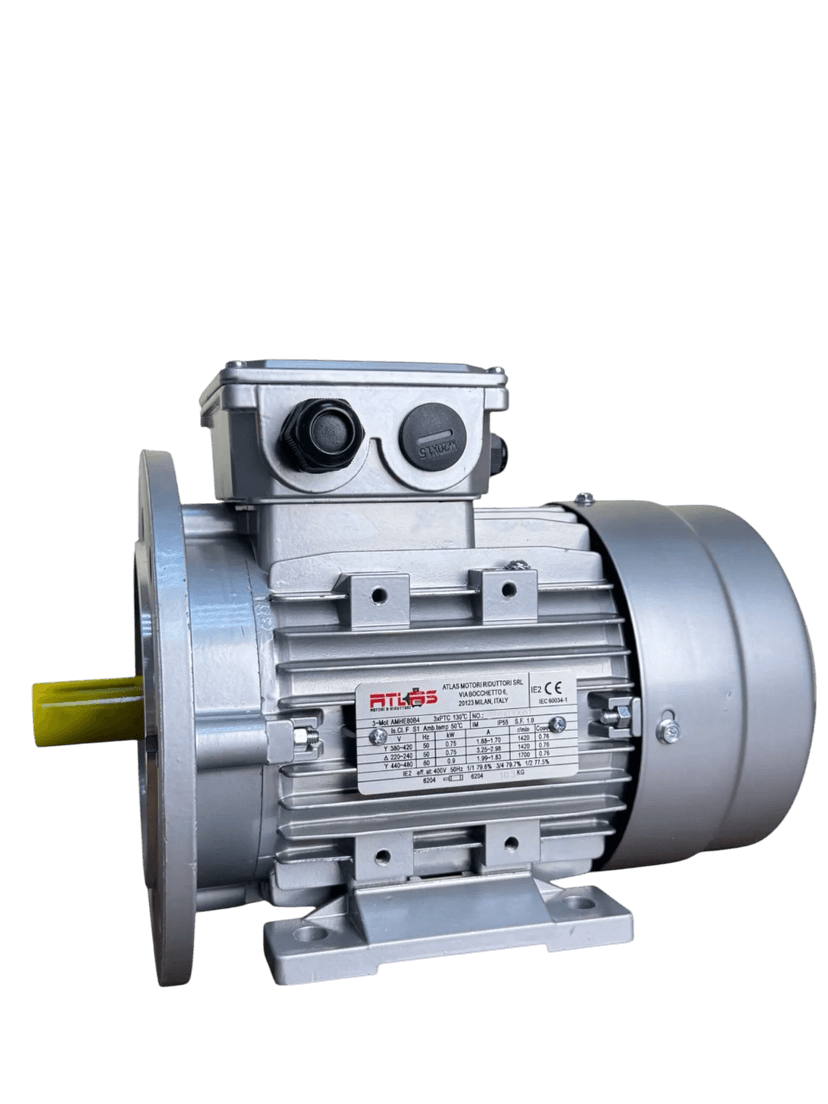
People worldwide depend on ATLAS gearmotors because of their dependable performance and energy-efficient operation and accurate design. The product line of ATLAS includes motor gearmotors and bevel helical gearmotors and electric motors and gearboxes which all provide exceptional performance and extended product life. The top gear motor supplier in UAE business operates satellite offices which provide services to clients throughout the UAE and international markets. The combination of atlas transfer case solutions and atlas motors Dubai support enables ATLAS gearmotors to deliver continuous operation while minimizing downtime and achieving exceptional industrial performance.
The ATLAS gearmotors showcase Italian engineering excellence through their combination of traditional craftsmanship and contemporary innovations which deliver superior performance and dependable operation and high efficiency to various industrial applications. The company designs its components through precise engineering which enables them to produce products that meet tight international quality standards.
ATLAS gearmotors are built with meticulous machining and tight tolerances, which make sure that every gearmotor operates perfectly when facing maximum weight capacity. The company conducts detailed assembly work on all products, which includes bevel helical gearmotors and standard gearboxes, to create systems that operate without problems and last for extended periods.
ATLAS uses advanced CAD/CAM design systems and robotics and automated production systems to create motors and gearboxes which meet all technological standards. The integration system improves accuracy and efficiency and consistency throughout all products which include atlas electric motors and atlas transfer cases.
The organization uses strict inspection methods throughout production and complete testing procedures and final quality assessments as their main approach to establishing product reliability. The organization tests all of its gear motors which includes atlas motor gearmotor and custom automation solutions to customers in order to decrease their equipment downtime and maintenance expenses.
ATLAS uses premium-grade materials and advanced components to enhance durability, heat resistance, and longevity. The selection process guarantees that all products from atlas bevel helical gearmotors to atlas gearboxes will function at their best in challenging industrial conditions.
ATLAS gearmotors are designed to operate at their best while providing dependable performance for different industrial applications. The gearmotors achieve high operational efficiency and extended product lifespan with their durable design and advanced materials and their exact engineering features.
The ATLAS gearmotors which include the atlas motor gearmotor and the atlas bevel helical gearmotor use rugged design elements and corrosion-proof protective coatings to create gear systems which can endure intense industrial applications. The durable components of this system guarantee uninterrupted performance throughout all challenging operational conditions.
ATLAS gearmotors produce high torque output together with efficient power transmission capabilities which result in minimal energy usage. From atlas electric motors to atlas gearbox, each product is engineered to provide maximum efficiency and smooth operation, making them a preferred choice for industries worldwide.
Trusted by clients across UAE and beyond, ATLAS solutions, which include atlas transfer case and atlas motors Dubai, serve as essential components for manufacturing lines and automation systems and conveyors and heavy machinery. The system provides flexible compatibility, which allows it to function effectively in multiple types of industrial environments.
ATLAS gearmotors need only basic maintenance because their components and materials have been designed with exceptional engineering standards. The operational performance of businesses that use these products from either a UAE gear motor supplier or international distributors will experience decreased downtime and reduced operational expenses.
The engineering of ATLAS gearmotors achieves superior performance, which the company ensures through its worldwide network that delivers products and customer assistance to clients in all their operational locations.
ATLAS gearmotors which comprise atlas motor gearmotor and atlas bevel helical gearmotor have a worldwide distribution network through their extensive presence in international markets and their partnerships with numerous gear motor suppliers in the United Arab Emirates. The worldwide distribution system of the company enables customers to obtain its premium products and dependable services with ease.
ATLAS offers expert support for the installation process which includes troubleshooting and maintenance activities of atlas electric motors and atlas gearboxes and atlas transfer cases. The technical teams who possess specialized skills work together with clients to enhance their operational productivity while reducing their business operational issues.
All replacement components for ATLAS products which include atlas motors Dubai and specialized gearmotors are available to ensure uninterrupted service. The quick delivery of spare parts enables operations to proceed without any interruptions.
Regional support hubs across key markets provide quick response times and personalized service. This localized approach enables clients to receive direct support while they experience their equipment at maximum uptime which delivers complete operational efficiency through ATLAS gearmotors.
ATLAS gearmotors provide adaptable solutions which create customized products to meet the unique needs of different industrial applications. The gearmotors deliver peak performance through their ability to handle standard work and complex automated systems while maintaining operational efficiency and dependable operation.
ATLAS supplies atlas motor gearmotor and atlas bevel helical gearmotor solutions to handle all requirements of packaging lines, food processing equipment robotics and conveyor systems. The customized designs provide operational efficiency and extended equipment life through their ability to handle challenging industrial environments.
The ATLAS experts provide three types of services which include pre-sales engineering advice and project planning assistance and their expertise in integrating atlas electric motors and atlas gearboxes and atlas transfer cases into industrial systems. The system guarantees clients access to solutions which provide maximum efficiency at minimum operational costs.
Clients can choose from a wide range of gear ratios, sizes, mounting types, and materials. The available options for atlas motors Dubai and other international users enable them to find their optimal system configuration which will enhance their operational performance while decreasing their system failures.
ATLAS gearmotors enable complete integration with PLCs and sensors and industrial automation systems, making them suitable for use in contemporary manufacturing facilities. The advanced automation solutions from the trusted gear motor supplier in UAE and international markets deliver high-efficiency operational capabilities.
ATLAS gearmotors achieve their operational efficiency through their combination of high performance capabilities together with their environmentally sustainable design and their compliance with stringent safety regulations.
ATLAS gearmotors with their three models atlas motor gearmotor and atlas bevel helical gearmotor work to achieve energy efficiency while maintaining their required output. The combination of efficient atlas electric motors and atlas gearboxes enables businesses to decrease their operating expenses without diminishing their operational efficiency.
All ATLAS products meet rigorous safety certifications, including CE compliance, and adhere to global industry regulations. The complete range of products, which includes atlas transfer case units and complex atlas motors Dubai, provides solutions that guarantee operational safety and reliability.
ATLAS gearmotors operate effectively in environments that require high performance because the equipment works under extreme heat and humid conditions and through dusty or corrosive environments. Industrial operations depend on their durable design because the equipment delivers uninterrupted service without any operational issues.
ATLAS implements environmentally responsible practices through its recycling program and its efforts to reduce emissions and its use of sustainable materials. ATLAS achieves a greener industrial future through its sustainable production methods used by gear motor suppliers in UAE.
ATLAS gear motors have established a reputation of excellent quality, reliability, and have met with strong approval in the global industrial domain.
Major brands across manufacturing, automation, and heavy machinery rely on ATLAS gearmotors, which include atlas motor gearmotor and atlas bevel helical gearmotor, to achieve smooth operation with long-lasting performance. Their global presence, which includes atlas motors Dubai, makes them the top choice for industrial clients.
The operational performance of atlas electric motors and atlas gearboxes and atlas transfer cases demonstrates their ability to maintain efficiency while operating in challenging conditions according to case studies which show their extended service life.
The clients who work with ATLAS praise the company because its staff members provide professional guidance and technical support while delivering spare parts within a short time frame. The clients who work with a trusted gear motor supplier in the UAE and throughout the world experience both reliability and peace of mind.
Many clients maintain ongoing collaborations with ATLAS, relying on the company for recurring industrial projects. The long-term partnerships demonstrate customer trust in the brand, which includes specialized gearmotor solutions and standard industrial units.
ATLAS gearmotors carry the strong back support and expert consultation necessary for the buyer to select the right solution for their industrial requirement.
Contact Us for Technical Advice
For inquiries about ATLAS gearmotors, atlas motor gearmotor, atlas bevel helical gearmotor, or any other products, email us at sales@pokharamotors.com. Our team provides professional technical guidance to ensure optimal selection and performance.
Speak Directly with Our Experts
Call +971 6 556 8176 to speak with Atlas specialists about atlas electric motors, atlas gearboxes, atlas transfer cases, or custom solutions. Personalized advice helps you integrate ATLAS gearmotors seamlessly into your operations.
Visit Our Website
Explore our full range of products and solutions, including atlas motors Dubai, at https://atlasmotoriduttori.com Detailed catalogs, specifications, and resources are available to help you make informed decisions.
Request a Quote
Submit your project details to receive a customized quotation for ATLAS gearmotors or specialized configurations. Our team delivers optimal solution which provides maximum value to you when you select our trusted gear motor supplier from UAE or any global location.
Gearmotors
Atlas

Atlas Motori Riduttori delivers Italian-engineered gearboxes and gearmotors built for reliability, efficiency, and long-lasting industrial performance.
+971 6 556 8176



© 2025 Atlasmotoriduttori. All Rights Reserved