
 Italian|
 EnglishItalian|English
8 Jan 2026
10 min read to read
Readucer
Atlas
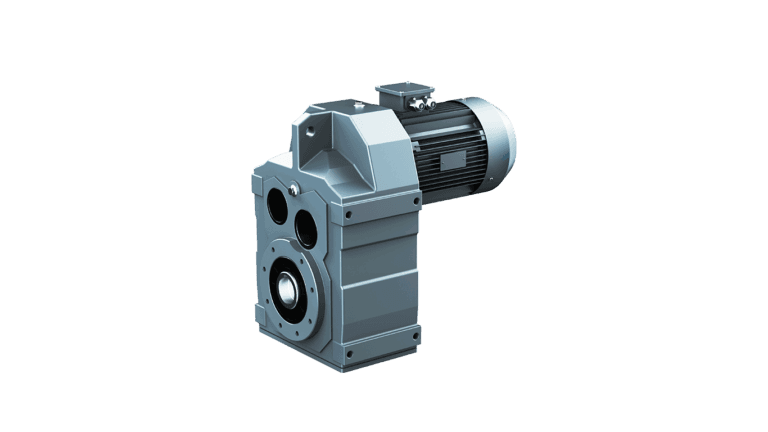
The gear reducer system increases industrial machine efficiency because it transforms high-speed motor output into operational speed while delivering greater power for equipment use without causing motor overload. A gear reducer decreases energy waste and mechanical stress and prevents excessive heat and vibration by matching motor output to actual machine requirements. The optimized power transmission system enables machines to operate with reduced motor size while carrying heavier loads and decreased power usage and extended equipment durability and improved reliability, which makes gear reducers vital for cost-efficient operations in industrial settings.
A gear reducer is a mechanical device which reduces motor rotational speed while it increases torque to match industrial machine operational needs. The system uses gears which operate at specific ratios to transmit motor power to driven equipment, which results in smoother operation and enhanced load capacity and lower energy expenses and increased equipment lifespan.
The process of power transmission in industrial settings requires motor energy to be transferred to machinery through controlled and efficient methods which depend on the use of gear reducers as essential components. The operation of a gear reducer depends on interlocking gears which use specific ratios to decrease motor speed while raising output torque until it matches the requirements of the machine. Gear reducers provide dependable motion control by controlling speed and torque while reducing power loss through heat and vibration, which protects motors from overload and enhances system performance in conveyor and pump and mixer and heavy industrial equipment operations.
Power transmission describes the method which transfers mechanical energy from electric motors to machines through the use of shafts and couplings and belts and chains and gears. The system functions to transmit precise speed and torque through its efficient operation which reduces energy waste and vibration and equipment damage to achieve continuous functioning and dependable industrial performance.
The operating principle of a gear reducer uses meshing gears with different sizes to achieve two functions which involve decreasing rotational speed and increasing torque. The power from the motor enters the system and passes through multiple gears that operate at specific ratios which enable the output shaft to produce higher torque while operating at lower speeds, thus achieving better power distribution and controlled movement and decreased motor strain and enhanced industrial performance.
The design of heavy-duty gear reducers enables them to operate under extreme load conditions while functioning continuously in industrial environments which present challenging operating conditions. The common types of gear reducers include helical gear reducers which provide efficient power transmission through their silent and smooth operation and bevel and helical-bevel gear reducers which transmit power between intersecting shafts and are ideal for compact layouts and worm gear reducers which provide high reduction ratios along with self-locking capability for specific applications and planetary gear reducers which deliver both high torque density and efficient load distribution in a space-saving design for industrial machinery.
Parallel shaft reducers serve as heavy-duty gear reducers which operate through parallel input and output shafts while using helical gears to achieve efficient power transmission. The system delivers high load capacity together with silent operation and maximum efficiency, which makes it suitable for industrial applications that include conveyors and crushers and mixers and systems needing continuous torque delivery.
Right angle reducers function as gear reducers which transmit power between input and output shafts that intersect at a 90-degree angle. The reducers use bevel and helical-bevel and worm gears to create compact systems which deliver efficient torque transmission and smooth operation and reliable performance for heavy-duty industrial machinery.
Planetary or inline reducers are a high-performance type of gear reducer that use a central sun gear, multiple planet gears, and an outer ring gear to distribute load evenly across multiple contact points. The design produces compact inline systems which achieve high torque output together with exceptional efficiency and minimal backlash and maximum precision and make planetary/inline reducers suitable for industrial applications that need high power density and precise performance and extended operational durability.
Worm gear reducers function as gear reducers that use a worm screw to drive a worm wheel for achieving high reduction ratios through their compact design. The system provides two main advantages through its ability to operate quietly and smoothly while achieving self-locking functionality which stops backward movement in specific operational tasks. The space-saving design of worm gear reducers makes them suitable for use in conveyors, lifts and mixers and other industrial equipment that needs to deliver high torque at low speeds.
Core Components and Mechanical Principles
Worm gear reducers function as gear reducers that use a worm screw to drive a worm wheel for achieving high reduction ratios through their compact design. The system provides two main advantages through its ability to operate quietly and smoothly while achieving self-locking functionality which stops backward movement in specific operational tasks. The space-saving design of worm gear reducers makes them suitable for use in conveyors, lifts and mixers and other industrial equipment that needs to deliver high torque at low speeds.
Industrial machines achieve better operational efficiency through gear reducers which deliver multiple essential benefits. The system enables exact speed and torque control, which allows motors to function at their best performance while they handle their maximum load capacity. Gear reducers extend equipment lifespan through their ability to decrease mechanical strain and their capacity to distribute energy throughout the system, while they also create cost savings through reduced energy use. The system creates essential features for modern industrial applications through its ability to enhance equipment reliability by decreasing vibrations and shocks while delivering compact solutions for spaces that have limited room and its capacity to operate smoothly and quietly.
All industries use gear reducers to improve machine performance and operational efficiency and machine dependability. The technology provides precise speed and force regulation throughout manufacturing processes which include conveyor systems and mixing equipment and packaging machinery. Material handling and logistics operations depend on gear reducers which power cranes and hoists and conveyor systems to operate at maximum load capacity while maintaining operational stability. Heavy industries such as mining, cement, and steel rely on gear reducers for crushers, mills, and presses, where durability and high torque are critical. The technology serves as a core component in pumps and agitators and HVAC systems by delivering reliable power transmission which results in energy savings throughout various industrial applications.
You need to choose the appropriate gear reducer through thorough assessment of your equipment needs and its industrial use case requirements. The essential requirements include determining both torque needs and speed requirements and identifying whether the load will remain constant or experience shock or variable changes throughout operation. The selection process between parallel shaft and right-angle and worm and planetary reducers depends on two factors which are the available installation space and the required installation position. The assessment should include three elements which are the system efficiency and the required maintenance activities and the environmental factors that include temperature and dust and moisture. The analysis of these factors enables you to select a gear reducer which provides your industrial machinery with maximum operational performance and energy efficiency and extended system durability.
Industrial machinery requires proper maintenance procedures to achieve long-lasting equipment performance and operational efficiency with its gear reducers. The maintenance schedule needs to include regular inspections of lubricant levels and lubricant quality because clean sufficient lubrication prevents friction and heat generation while reducing wear on gears and bearings. The team needs to examine seals and housings with mounting bolts to detect possible leaks and misalignment problems and any risks of mechanical damage. The team needs to observe operating temperatures together with any strange sounds which will help them diagnose equipment problems that include overloading and component misalignment and worn-out parts. The process of troubleshooting requires the identification and isolation of problems which include excessive vibration and irregular torque output and slow performance and the solution requires either alignment adjustments or worn part replacements or proper lubrication restoration. The team needs to follow scheduled maintenance procedures while they handle equipment problems to achieve operational efficiency and decrease expensive equipment downtime and prolong the operational life of gear reducers.
Preventive maintenance serves as the essential process which enables equipment to achieve maximum operational efficiency throughout its entire operational duration. The maintenance schedule requires technicians to conduct lubricant assessments and make necessary lubricant replacements in order to maintain optimal gear performance while protecting components from excessive wear. The team needs to conduct inspections on gears and bearings and seals and housings to identify any potential damage or misalignment issues or leakage problems. The system requires proper mounting and alignment because this practice prevents vibration and ensures even load distribution throughout the equipment. The team needs to track operational temperatures while they monitor for any strange sounds which could indicate the existence of emerging problems. The implementation of a scheduled inspection and maintenance program enables industrial gear reducers to achieve improved breakdown prevention and operational efficiency while their operational lifespan extends.
Gear reducers may experience problems during their operational lifespan, but most issues can be handled through proper maintenance and initial problem resolution methods. The following problems occur frequently:
Overheating – Insufficient lubrication and load overload and misalignment create this problem. Solution: Check and replenish lubricant, reduce load, and realign shafts.
Excessive Noise or Vibration – This problem occurs because the gears and bearings have worn down and the system has become misaligned. Solution: Inspect and replace damaged components and ensure proper alignment.
Leakage – This condition occurs because the seals have worn out or the housing has suffered damage. Solution: The seals must be replaced while the housing requires either repair work or complete replacement based on existing conditions.
Reduced Torque or Performance – This issue occurs when gears experience wear and installation procedures become improper and contamination occurs.
Solution: Clean all internal components and replace any damaged gears and check that installation was done according to specifications.
Premature Wear – This problem occurs because dirt and debris contamination exists and maintenance practices are not followed.
Solution: Operators should maintain proper lubrication standards while using protective equipment and they must adhere to their established maintenance program.
The process of watching equipment and making necessary adjustments at the right time enables systems to function at their best while avoiding equipment failures and increasing the operational life of gear reducers.
Industrial machinery depends on gear reducers as vital components because they enable the system to transmit power efficiently by decreasing motor speed while simultaneously boosting torque output. The system provides benefits through operational improvements, energy efficiency enhancements, mechanical stress reductions, and equipment longevity extensions. Gear reducers offer multiple options which include parallel shaft, right-angle, worm, and planetary designs to meet different operational needs and application requirements. The system maintains dependable operation through proper equipment choice and preventive maintenance together with prompt issue resolution. The selection of an appropriate gear reducer from available options represents a strategic decision which helps industries achieve seamless operations together with increased productivity and maximum machinery efficiency.

Atlas Motori Riduttori delivers Italian-engineered gearboxes and gearmotors built for reliability, efficiency, and long-lasting industrial performance.
+971 6 556 8176



© 2025 Atlasmotoriduttori. All Rights Reserved