 Italian|
 EnglishItalian|English
20 Jan 2026
4 min read to read
gearmotors
Gearmotors are essential components in modern industrial systems, combining the power of electric motors with the precision of gear reductions. By integrating speed control and torque amplification into a single device, gearmotors deliver reliable performance across industries from automation and manufacturing to material handling and renewable energy. This guide explains everything beginners need to know about gearmotors and why Atlas Motors is a trusted provider worldwide.
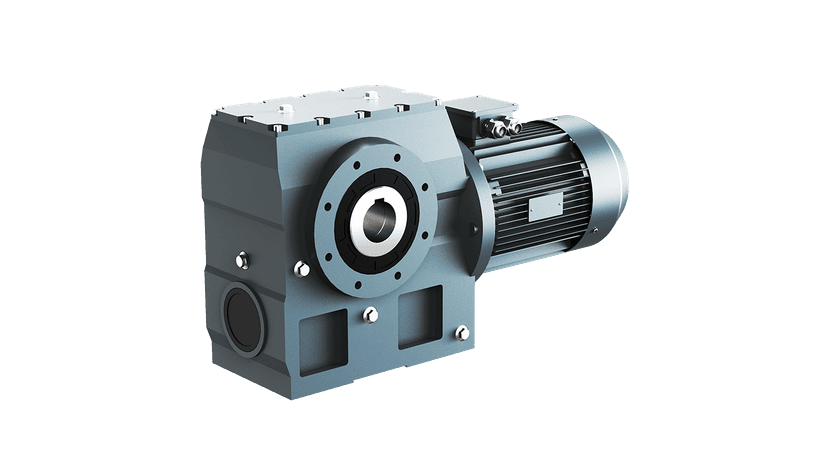
A gearmotor is an electromechanical device that combines an electric motor with a gearbox. This integration allows the motor’s high-speed rotation to be converted into lower speed with higher torque, making it ideal for heavy-duty and precise industrial applications. Unlike a standard motor, a gearmotor provides a controlled output, ensuring efficient operation in conveyor systems, robotic arms, and automated machinery.
The key components of a gearmotor include:
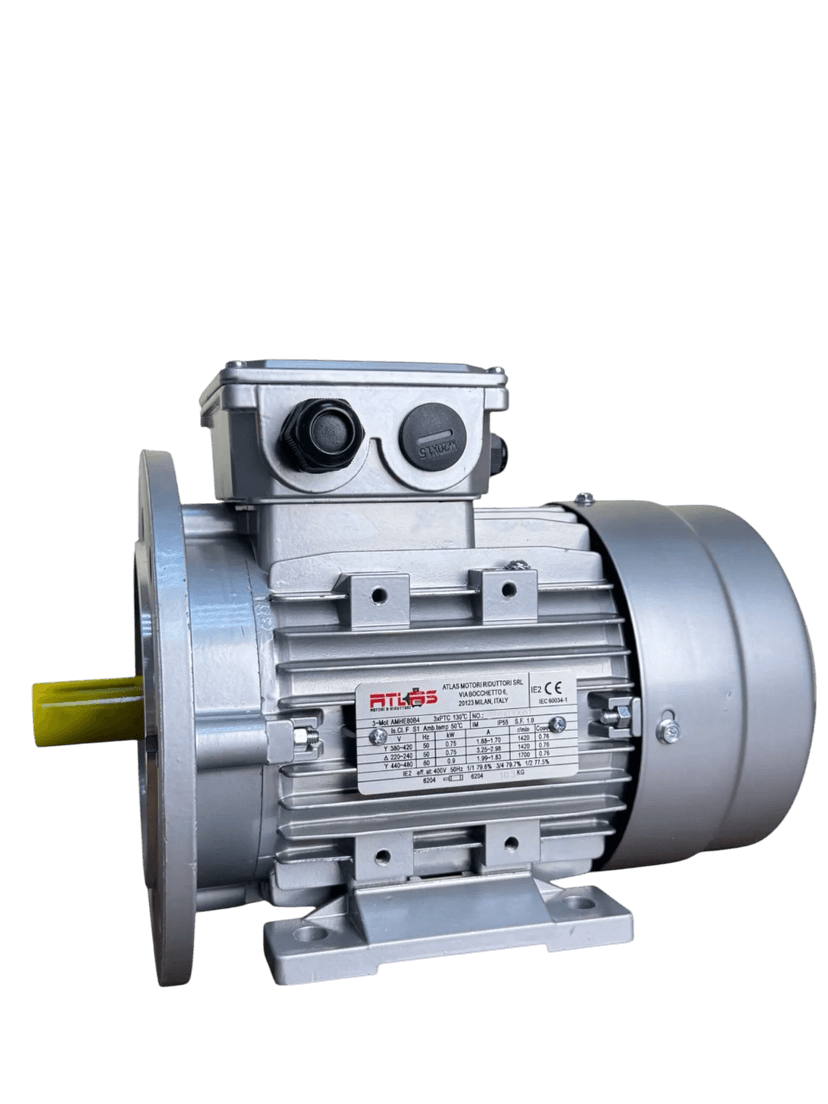
The motor acts as the primary power source, generating rotational energy that drives the geartrain. It is responsible for converting electrical energy into mechanical motion.
Gear reduction uses mechanical leverage by allowing smaller input gears to drive larger output gears. This reduces rotational speed while amplifying torque, enabling the gearmotor to handle heavier loads efficiently.
The geartrain transmits the motor’s rotational energy to the output shaft. This ensures controlled speed, precise torque, and efficient power delivery.
Planetary gearmotors are ideal for applications requiring high torque in compact spaces, making them suitable for heavy-duty industrial machinery.
Gears are manufactured using high-precision machining, hobbing, and heat treatment to achieve exact tolerances. This ensures durability, smooth operation, and minimal noise.
Assembly integrates the motor, gearbox, shafts, bearings, and seals. Proper alignment during assembly is critical to maintaining efficiency and extending the operational lifespan.
The production process includes component selection, assembly, wiring, insulation, and rigorous testing to verify operational performance and reliability.
All gears, motors, and components undergo detailed inspection to ensure they meet strict quality standards and are free from defects.
Gearmotors are rigorously tested under operational conditions to ensure torque, speed, and efficiency meet design specifications.
A final inspection confirms proper assembly, performance reliability, and adherence to international standards before shipment.
Gearmotors power robotic arms, assembly lines, and automated machinery, providing precise and reliable motion control.
Integral to conveyor belts, sorters, and packaging systems, gearmotors ensure smooth and efficient material transport.
Tailored gearmotors meet specific industrial needs, including environmental conditions, load requirements, and duty cycles.
Atlas Motors leverages decades of experience to deliver precision-engineered gearmotors for diverse industrial applications.
Through advanced manufacturing techniques and high-quality materials, Atlas ensures superior performance and long-term durability.
Comprehensive support and maintenance solutions guarantee operational efficiency and reliability for the life of the gearmotor.
It involves precision gear production, motor assembly, component integration, and rigorous testing to ensure reliability and performance.
Industrial gearmotors are manufactured using high-precision gears, robust motors, and optimized gear ratios to handle specific industrial loads.
The process includes raw material inspection, precision gear manufacturing, motor assembly, integration, and final performance verification.
Quality control ensures consistent performance, long-term durability, and compliance with industrial standards.
Precision gears improve efficiency, reduce wear, and guarantee accurate torque and speed transmission.
Gearmotors integrate a gearbox with the motor, enabling higher torque and controlled speed, unlike standalone motors that provide high speed at low torque.
Applications include automation, manufacturing, material handling, renewable energy, and large-scale infrastructure projects.

Atlas Motori Riduttori delivers Italian-engineered gearboxes and gearmotors built for reliability, efficiency, and long-lasting industrial performance.
+971 6 556 8176



© 2025 Atlasmotoriduttori. All Rights Reserved