 Italian|
 EnglishItalian|English
19 Jan 2026
9 min read to read
Atlas
Gearmotors
Industry
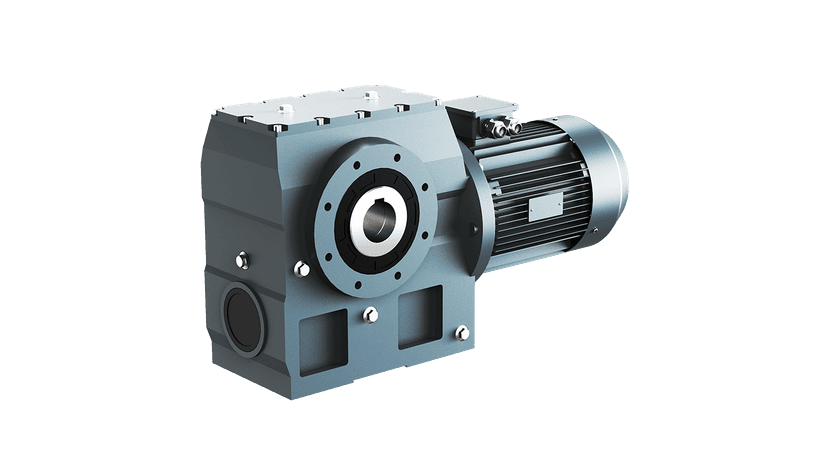
The gearmotor manufacturing process is the backbone of modern industrial motion systems. Gearmotors use mechanical gears together with electric motors to provide dependable torque and speed control which works in numerous applications that include conveyors and robotics and automation systems. The guide shows the complete manufacturing process of gearmotors through its detailed explanation of precision manufacturing methods and production processes and assembly techniques and quality control procedures and industrial knowledge.
A gearmotor is a compact electromechanical device that integrates a gearbox and an electric motor into one unit. The device functions to transform electrical energy into mechanical power which it delivers through specific speed and torque settings that meet industrial requirements. Gearmotors are used in applications that need small size and exact speed regulation together with increased torque capacity.
The gearmotor production process determines how efficiently and reliably a unit performs under load. The gearmotor requires exact manufacturing and production control to prevent excessive noise and vibration and heat and early wear and decreased operational life. High‑precision production ensures consistent torque delivery to achieve energy efficiency and durability, which becomes vital for industrial environments.
The creation of a gearmotor requires multiple complex mechanical and electrical steps which begin with material selection and continue through the processes of gear production and motor development and system integration and assembly and final testing. The industrial gearmotor production process requires all stages of work to meet essential quality standards.
Gears are the most critical part of a gearmotor, and the quality of the gearing will enable it to function reliably.
The gear blanks which represent the basic form of gears are produced from high-strength alloys that include both alloy steel and carbon steel because these materials provide essential protection against torque and wear and environmental stress. The choice of materials establishes the critical foundation for performance because selecting incorrect materials results in premature product failure under operational weight.
The next step in precision gear manufacturing is to produce the gear teeth. The techniques of hobbing and CNC machining have gained worldwide recognition because they deliver efficient operations with precise results. Hobbing uses a specialized cutting tool called a hob to progressively cut gear teeth into the gear blank. It stands as the most common method used to produce spur and helical gears. The CNC gear cutting process enables machining of intricate shapes and profiles with micron-level precision which is necessary for complete meshing and load capacity performance.
After the basic shape and teeth are formed, heat treatment processes like induction hardening or carburizing are applied. The thermal cycles create hardened gear surfaces which enhance wear resistance and fatigue strength and improve durability without changing the gear's exact measurements.
After completing both machining and heat treatment processes, operators use grinding and honing as additional finishing procedures to create smoother surfaces which decrease friction and control noise emissions. The finishing processes serve a critical function in high‑performance industrial gearmotors because they guarantee the equipment operates without making noise while maintaining efficient performance.
"Another production by our company focuses on the production of gearmotor in parallel with precision gears, beginning with the assembly of gears to the assembly of motors."
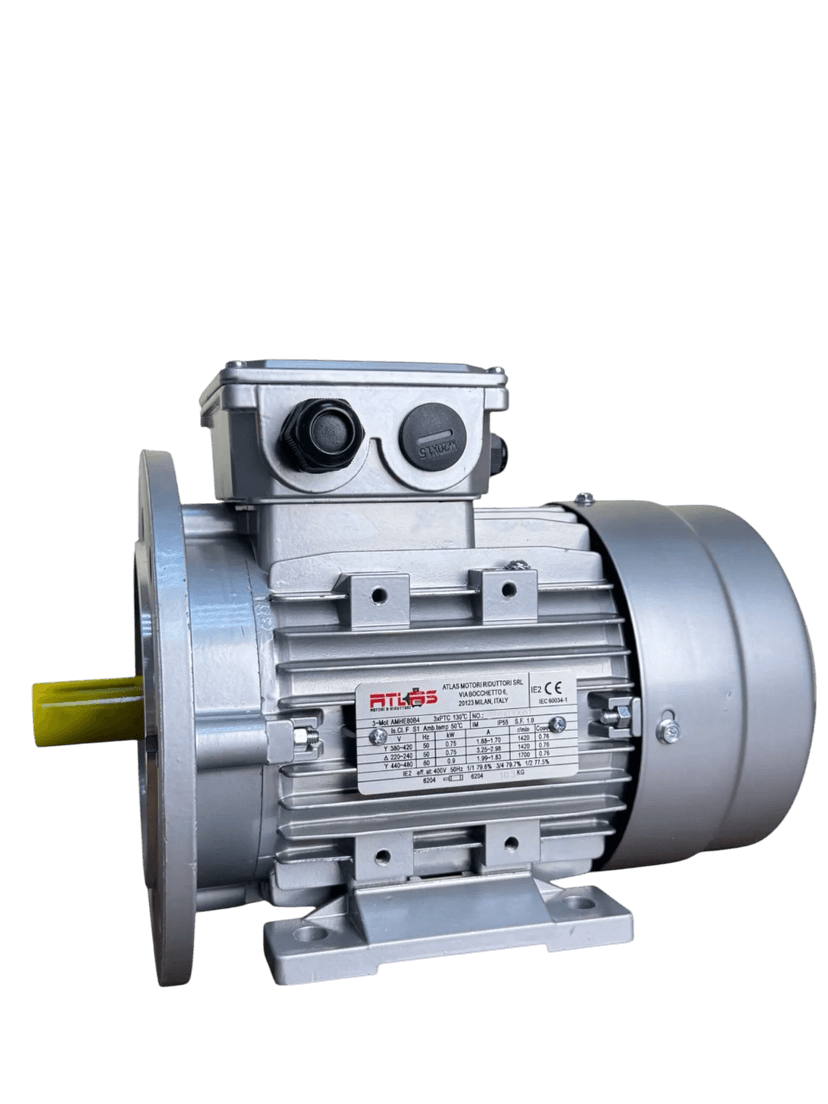
The electric motor for a gearmotor needs precise matching to its specific output requirements. Engineers use winding configuration and magnetic design and power requirements to create efficient systems that deliver dependable torque performance. Industrial gearmotors commonly employ AC induction motors or permanent magnet motors to achieve reliable operational performance.
The gearmotor assembly process requires the motor to be integrated with the gearbox system. The interface must be perfectly aligned so that the motor shaft and the gearbox input shaft work in harmony, minimizing energy losses and maximizing reliability.
Every assembled gearmotor undergoes performance testing to verify torque output, noise levels, thermal behavior, and rotational accuracy. The tests create actual operational conditions to assess whether each product meets industrial gearmotor manufacturing requirements.
Modern gearmotors operate under design principles which prioritize energy efficiency. The efficient design of systems leads to decreased power consumption during operation together with reduced heat production and enhanced total value throughout their operational lifespan which proves essential for industries that experience constant high usage.
Whether workers could deliver these materials to the point of assembly at the estimated level of precision employed is just as crucial as the precision itself.
The trained technicians or automated systems of the gearmotor assembly process combine exactly machined components which include gears, bearings, shafts, and seals. The internal components achieve dependable mechanical motion because engineers use tight tolerances and precise alignment methods.
The system uses permanent lubrication systems which protect against friction damage and material loss. The quality of seals creates a barrier which prevents contaminants from entering while keeping lubricant inside the system, which is necessary for extended operation in industrial settings that experience extreme conditions.
The final alignment checks ensure that the gears and motor shaft have been properly aligned and balanced. The alignment setup results in less vibration which leads to longer equipment lifespan and better operational performance.
Safety checks at every stage ensure that electrical insulation remains intact while all fasteners remain secure and all torque settings are maintained at their correct values. Compliance with standards like ISO 9001:2015 or other regional industrial standards ensures that gearmotors are safe and reliable.
Quality control is necessary for industrial reliability and longevity.
The production process begins with raw material inspection and ends with final assembly while in-process quality control maintains every component at required standards. Modern manufacturers use measurement tools together with frequent sampling methods to detect deviations from normal operations at an early stage.
The final testing of gearmotors needs to include testing under simulated load conditions and taking noise measurements and verifying performance to check whether the units work according to their established performance standards. Customers need this step because it guarantees delivery of gearmotors that meet industrial standards.
The manufacturing processes of gear motors can follow international standards through ISO quality systems and ISO/AGMA standards which provide guidelines for controlling dimensional tolerances and ensuring product quality and maintaining manufacturing uniformity.
The process of product development relies on data collection from inspections and field performance to enhance design and production processes. The continuous improvement cycle enables products to achieve extended durability and enhanced operational performance throughout their entire lifecycle.
The industrial gearmotor manufacturing process provides essential high-performance drive systems which serve multiple industrial sectors through its two main operational features and its three special speed and torque control systems which meet specific industrial needs. The production process along with its strict quality control measures enables gearmotors to fulfill the requirements of contemporary manufacturing systems and automation processes and material handling operations.
The company protects completed gearmotors through protective packaging which safeguards the products from shipping damage. The packaging system provides protection against moisture and dust and material impacts throughout the delivery process.
Efficient logistics systems deliver gearmotors to customers at scheduled times while maintaining optimal product condition which businesses need for their operational needs that require immediate equipment deployment.
Once installation occurs, the properly constructed gearmotor system will function for multiple years while requiring only slight maintenance because of its execution of proper maintenance procedures and its origin from careful design and production methods.
Manufacturers supply technical assistance to customers for installation, commissioning, maintenance, and troubleshooting because this support enables customers to achieve maximum performance from their gearmotors starting from the first day.
The gearmotor manufacturing process requires multiple production stages which start with material selection and continue through advanced machining and quality testing and end with assembly procedures. The engineering discipline behind modern industrial systems is discovered through the manufacturing process of gearmotors because it explains how these systems achieve their efficiency and reliability and durability. The production process of industrial gearmotors shows dedication to quality through its three stages which include the creation of precision gears and electrical system installation and final product testing.

Atlas Motori Riduttori delivers Italian-engineered gearboxes and gearmotors built for reliability, efficiency, and long-lasting industrial performance.
+971 6 556 8176



© 2025 Atlasmotoriduttori. All Rights Reserved